
Final “Summer” Teacher Feature: Alex Champe
A thoughtful and innovative educator

Hey, how’s it going? I’m Erik Johnson—a veteran social studies teacher, university professor, and educator coach. In this newsletter, I share practical teaching tips, deep dives into education topics, and the occasional piece on my personal interests. If it’s your first time here, take a look at my coaching homepage, and don’t forget to subscribe!
An Interview with Alex Champe
This past summer, I featured interviews with teachers I know and respect. My goal is for these conversations not to inspire veteran educators as they prepared for the fall and to guide new teachers as they get ready for their first year in the classroom. I have one interview with a great teacher that I never got the chance to publish!
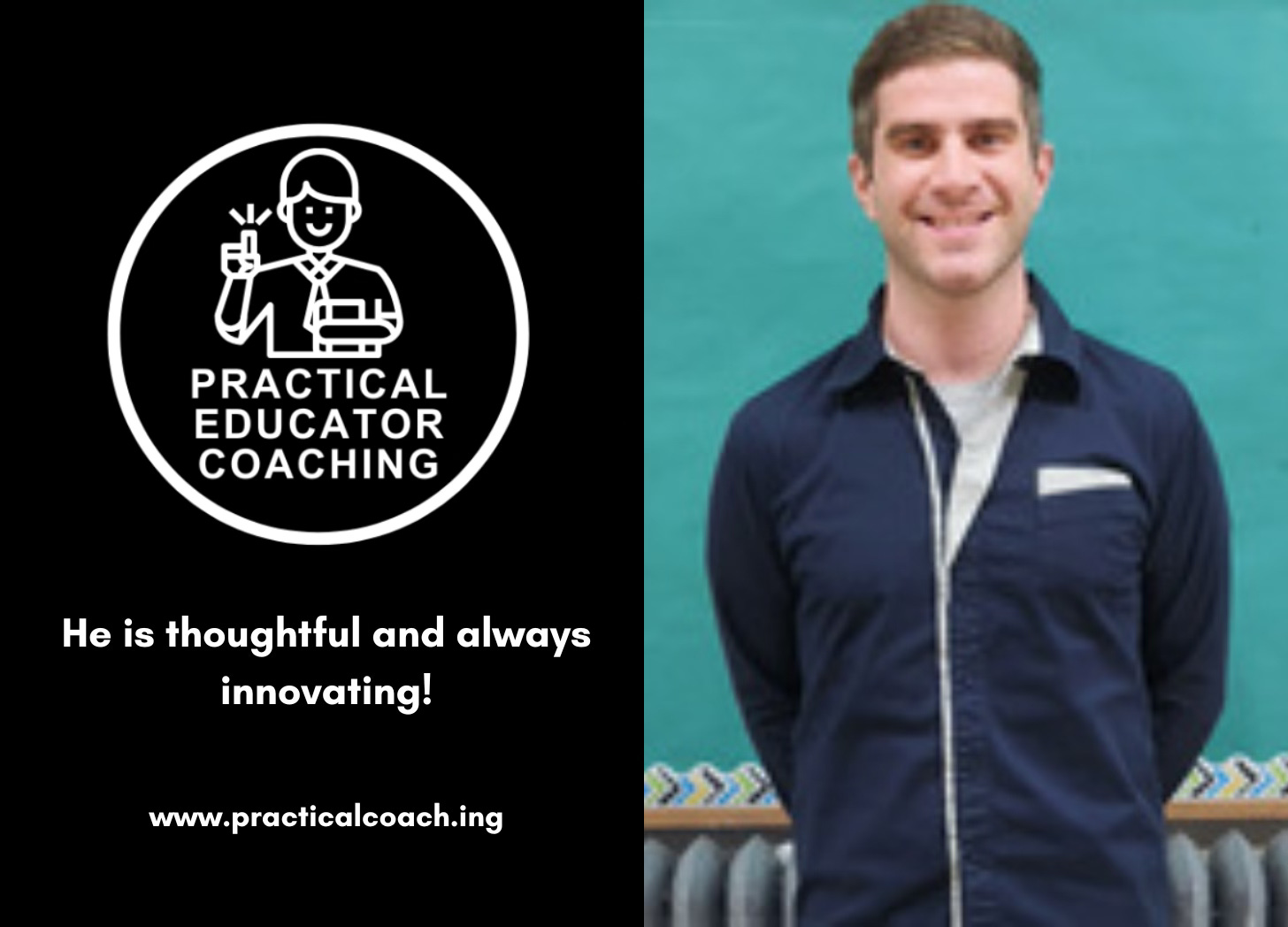
One of my favorite parts of my side-gig as a professor in education is watching new teachers thrive. A couple of years ago, when I taught a course called The Teacher as a Professional, I met Alex Champe. Even in a strong group of teacher candidates, Alex stood out. From the first week, he treated the profession with the kind of earnest seriousness it deserves: asking sharp questions, wrestling with big ideas, and showing the kind of intentionality you usually see in experienced educators.
Since then, he’s jumped into his own classroom and kept that same energy. Alex talks about social-emotional learning the right way, as a fundamental building block of quality teaching. He builds the kind of relationships with his chemistry students that make them want to show up and engage. He’s also never stopped tinkering with his methods. Every time I chat with him, he’s still refining what it means to be a good teacher and seeking opportunities to innovate.
What strikes me most is how deliberate he is about the daily work of teaching. He thinks carefully about how he interacts with his students and builds a strong culture in his classroom. We’ve developed a habit of meeting for lunch every summer, and I always enjoy hearing his new thoughts on education.
So, without further ado, enjoy this Final “Summer” Teacher Feature on Alex Champe.
“I think my greatest strength as an educator is that I hate failing, and since it is near impossible not to fail as a teacher (be it at getting students to pass or being someone students can confide in or teaching a certain concept, etc.), it pushes me perpetually to think of new ways to win over one more student so that we can work together to move forward.”
How would you describe yourself as a person?
Outside of the classroom, I am a nerd who also loves athletic endeavors. I love playing video games like Minecraft and Paper Mario, as well as card games like Golf and Euchre, and athletic activities like biking and rock climbing.
How would you describe yourself as a teacher?
Inside the classroom, I would describe myself as relentlessly positive and pushing to see my students become better than their mentors. A student last year exclaimed, "I'm gonna practice and beat you in the balancing equation competition, and you're gonna be so mad!" to which I responded, "Why would I possibly be mad? Nothing in the world would make me happier than you being better than me at something I helped teach you." This is, I think, the very essence of teaching, coaching, and maybe even parenting, though I don't have the firsthand experience to back that last one up.
What do you consider your greatest strength as an educator?
I think my greatest strength as an educator is that I hate failing, and since it is near impossible not to fail as a teacher (be it at getting students to pass or being someone students can confide in or teaching a certain concept, etc.), it pushes me perpetually to think of new ways to win over one more student so that we can work together to move forward.
Can you describe a challenge from last school year and how you turned it into a win?
I had a challenging first or second week last year that turned into a big win. There was a disagreement about where to sit with a student whom I taught the year before, and without her and me being on the same team, it was going to be a very difficult class to manage as she is a leader amongst her peers. We were butting heads for a few minutes about the seat and who was talking back to whom until I stopped to take a breath. I asked her who she thought my actions were trying to help. She took a breath too and realized/remembered that I would never be trying to make her life more difficult. The trust I built with her the year before, in combination with me toning my own self down, allowed her to turn off the fight/flight response that had seemed to trigger. She went on to be an immensely positive influence in our shared space, regularly helping other students when they were struggling with a new concept and generally setting a good example of trying hard for your own sake.
What is something you’re excited to try this school year?
I'm very excited to try out my new penalty system. I have a whistle and a set of soccer penalty cards (red and yellow), and I plan to whistle safety violations in the lab or if any mean-spirited behavior comes up. I’ll hold up the penalty card before writing a quick note to be entered into the system later. I'm also quite excited for my Unit 0, a set of lab stations titled “Is it Chemistry?” that I hope gets students into the idea of doing actual science right from the get-go.
Is there a quote, book, or idea that’s shaped your teaching?
A book that has shaped my teaching is Nonviolent Communication. I always strive to do more of it and become more effective with it, but it is what allowed me to take the breath in the scenario above and reconnect with my student. It taught me that I can disconnect my ego from a situation if I believe in my intent, because there is no shame in being wrong if you are open to learning a better way. Being “right” or being “in charge” is overrated and often aligns with not being very well-liked or respected, I've found.
If a new teacher or a struggling teacher were to read this, what’s one piece of advice you’d want them to carry into the year?
Focus on the bright spots as often as you focus on the things that need improving.
It’s great to see leaders leading from the front. And it’s great that you take the time to spotlight teachers making a difference.